

Categories
Community Focus, Local GuidePublished August 26, 2026
Are Solar Panels a Scam? What Tampa Bay Homebuyers Need to Know About Solar Leases

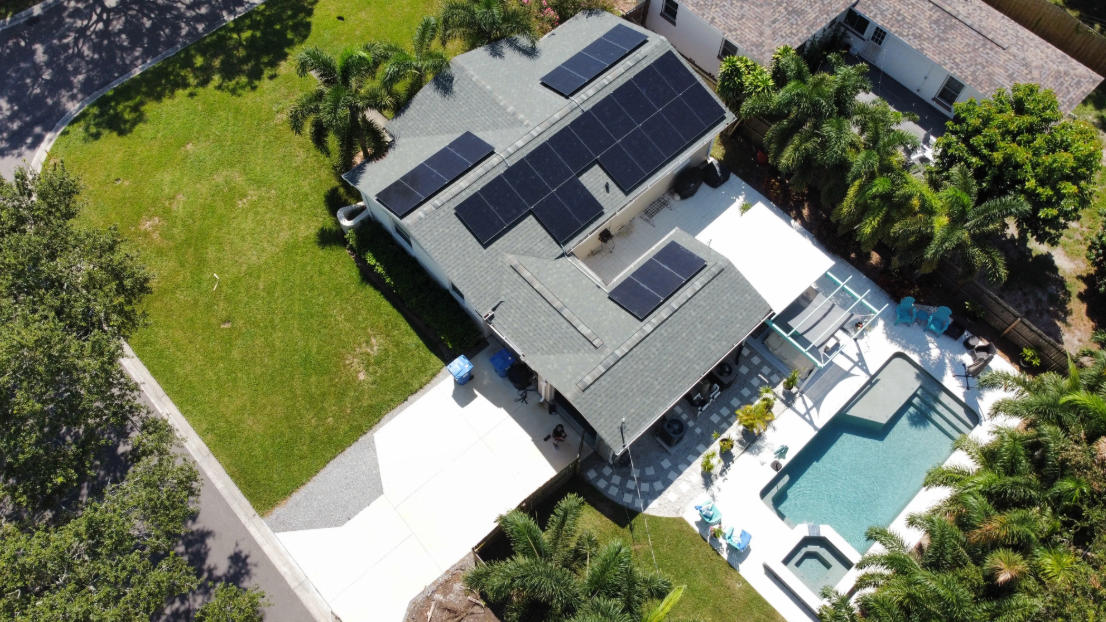
Solar panels can sound like a great idea. Lower electric bills, cleaner energy, and potential long-term savings are all attractive benefits.
But there is one part of the solar conversation that homebuyers and sellers often don't fully understand: the solar lease.
Recently, we encountered a situation during a home showing in Westchase that perfectly illustrated how a solar agreement can potentially become a major issue when it's time to sell.
The home was beautiful, well-maintained, and located in a desirable neighborhood. Our buyers were excited about it—until we discovered that the brand-new solar panels came with a lease that could cost more than $140,000 over 25 years.
That immediately changed the conversation.
The $82,000 Solar System That Could Cost $140,000
According to the information provided for this particular property, the installed value of the solar system was approximately $82,000.
However, the total cost of the lease over its full 25-year term was projected to be around $140,000.
That's roughly $58,000 more than the installed value of the system.
And that's where buyers and sellers need to slow down and look beyond the monthly payment.
A lower monthly payment may sound appealing, but when you're considering a long-term agreement, the total cost over the life of the contract matters.
What Would Electricity Cost Without Solar?
Let's compare the potential numbers.
If a homeowner paid an average electric bill of around $200 per month, with modest increases over time, the total cost over 25 years could be approximately $77,000.
Even starting at $250 per month, the estimated 25-year cost could still be around $96,000, depending on how electricity rates change.
Compare those figures with a $140,000 solar lease, and the difference could potentially be significant.
Of course, every home, solar system, utility rate, and contract is different. Solar may make financial sense in certain situations. The important point is that homeowners should evaluate the complete financial picture, rather than focusing only on projected monthly savings.
Solar Panels May Not Eliminate Your Electric Bill
Another important consideration is that solar panels don't necessarily mean free electricity.
Depending on the system and the home's energy usage, homeowners may still have:
- An electric bill
- Utility connection or service fees
- A monthly solar lease payment
- Maintenance or servicing costs
- Costs associated with removing and reinstalling panels when replacing a roof
Those additional expenses can make a major difference when calculating the true long-term cost of a solar agreement.
Before signing a contract, homeowners should understand exactly what the system is expected to produce, what electricity expenses will remain, and who is responsible for future costs.
What Happens to a Solar Lease When You Sell Your Home?
This is where solar leases can become especially complicated in real estate transactions.
A solar lease doesn't simply disappear when a homeowner decides to sell.
Depending on the agreement, a seller may need to:
- Pay off the remaining obligation
- Find a buyer who qualifies and agrees to assume the lease
- Negotiate a credit or price reduction to account for the solar obligation
- Resolve the lease before or during closing
The exact options depend on the solar contract and the terms of the transaction.
In our experience, leased solar systems can complicate a sale because buyers may not want to take on a long-term financial obligation they didn't choose themselves.
In this particular situation, our buyers ultimately decided not to move forward.
Why Solar Leases Can Scare Away Buyers
When a buyer purchases a home, they're already making a significant financial commitment.
Adding a 20- or 25-year solar obligation on top of the mortgage can be difficult for some buyers to accept.
The buyer may wonder:
- How much will the solar agreement cost over time?
- Will the panels actually eliminate my electric bill?
- Can I qualify to assume the lease?
- What happens if I need to replace the roof?
- Who is responsible for maintenance?
- How does the agreement affect my ability to sell the home later?
If those questions aren't answered clearly, buyers may simply move on to another property.
That's why it's important for sellers with leased solar systems to have a strategy before putting their home on the market.
Should the Seller Pay Off the Solar Lease or Reduce the Price?
There isn't one answer that works for every transaction.
One option may be for the seller to pay off the solar obligation at closing. This can give the buyer a cleaner transaction without inheriting a long-term lease.
Another option may be to adjust the purchase price or provide a credit that reflects the cost and obligation associated with the solar agreement.
The key is recognizing that the solar lease has value—or potentially a financial burden—that needs to be addressed during negotiations.
Simply expecting a buyer to take over the agreement isn't necessarily a strategy.
Watch the Full Video
Thinking About Moving To Westchase?
I'm Bryan Coward, your local Westchase real estate expert. Whether you're relocating to Tampa Bay or looking for your next home in the 33626 area, I'm here to help you make the right move.
🌐 Search homes + free resources: westchaserealtor.com
📱 Phone/Text: (727) 325-6009
📧 Email: bryan@bryancoward.com
🌐 Website: bryancoward.com
The Bryan Coward Team · Keller Williams Realty · Tampa Bay, FL · Each KW office independently owned and operated. Bryan Coward PA, Florida Licensed Real Estate Broker Associate. Market data reflects general trends and should not be construed as a formal appraisal or guaranteed valuation.

Bryan Coward
Realtor | The Bryan Coward Team | Bryan Coward | Keller Williams Realty
or another way